Red Rocks Initiative for Sustainable Development (RRISD) - Rwanda Community Conservation Programs
The Red Rocks Initiative for Sustainable Development (RRISD) is a Rwanda-based nonprofit dedicated to community empowerment, wildlife conservation, cultural preservation and environmental stewardship. Through community-led programs, environmental education, sustainable livelihoods and responsible tourism, RRISD works alongside local communities to protect natural ecosystems while creating lasting economic opportunities. From wildlife conservation and youth empowerment to cultural heritage, skills development and community-based tourism, the initiative connects people, nature and sustainable development to ensure that tourism benefits both local communities and the environment.
Or, contact us now.
Empowering communities through cultural preservation, conservation and sustainable tourism.
Introduction - RRISD
RRISD, a non-profit focused on community empowerment, cultural preservation and environmental stewardship, drives the identity and impact of the Red Rocks ecosystem and shapes its global presentation. Evolved from a project implementer into a recognized impact brand, it works with Red Rocks Rwanda Intercultural Center & Campsite (CBC) and Amahoro Tours Rwanda to put sustainability and culture at the heart of tourism.
Mission: To be the moral and narrative anchor of the Red Rocks ecosystem through community-driven programs integrating cultural preservation with sustainable tourism, ensuring tourism revenues directly benefit communities and the environment.
Vision: To be a global leader in responsible travel, showing how tourism and sustainable development reinforce each other, with cultural heritage and environmental awareness integrated into the visitor experience.
Brand Architecture:
RRISD: leads community development and impact programs.
Red Rocks Rwanda CBC: delivers community-based tourism and cultural exchange workshops.
Amahoro Tours Rwanda: manages tour operations and market access.
Sustainable development and responsible tourism are strongest when designed together.
Advancing conservation and sustainable livelihoods through community partnerships.
Core Programmes
Wildlife conservation: awareness, youth ambassadors Environmental education: schools, clubs, tree planting
Ecosystem conservation: forest and wetland protection, habitat restoration Wetland learning: guided walks, bird watching, student research
Community-based tourism: village experiences, cultural exchange Livelihoods: artisans, youth and women’s enterprise
Sustainable agriculture: demonstration farms, indigenous crops
Partners
Communities, schools, universities, women’s and youth groups, farmers, researchers, conservation organizations, tourism operators, government and NGOs. Great Vision Needs Great Partners.
Reach
Rooted in Rwanda around the Virunga Massif, extending to Uganda and DR Congo to advance conservation and eco-tourism.
Sustainability
Diversification, partnerships and community ownership, with tourism income reinvested in conservation, community benefit and local development.
The Red Rocks Model
Nature → Community → Education → Conservation → Livelihoods → Responsible Tourism → Reinvestment → Stronger Communities and Ecosystems
Protecting Virunga wildlife while strengthening local skills, livelihoods and cultural heritage.
Red Rocks Conservation Programs
Art for Conservation
This program links local artists and artisans with the protection of Volcanoes National Park. Community members create paintings, crafts and other artifacts that depict the region’s wildlife and plants, giving animals and forests a voice that visitors can see and buy. Sales bring income to households that might otherwise depend on park resources, while the artwork carries conservation messages. It remains one of the organization’s signature approaches to building local support for nature through creativity and livelihoods.
Kinigi Art Gallery
Established in Kinigi, the gateway community to Volcanoes National Park, this gallery displays conservation-themed paintings by artists from Musanze district and Kigali. It gives local painters a place to exhibit and sell their work while teaching tourists and residents why environmental protection matters. The gallery shows how arts, crafts and conservation are connected, and it welcomes artists who want to share their talent.
Animal Welfare
This program extends the organization’s conservation mission to the care of animals in Rwanda, the Democratic Republic of Congo and Uganda. It reflects the view that livestock, working animals and wildlife share one landscape, and that communities who treat animals well are more likely to value biodiversity. Activities generally combine awareness, education and cooperation with local partners across borders. By addressing animal wellbeing alongside livelihoods, the program supports the wider goal of reducing conflict between people and wildlife around the Virunga region.
Football for Conservation
Football for Conservation uses the popularity of the sport to bring young people and communities together around environmental messages. Matches and training sessions create a friendly setting where players and spectators can learn about protecting forests, wildlife and the Virunga landscape. Sport builds teamwork, discipline and healthy habits while giving youth a positive way to spend their time. Because football draws large, enthusiastic crowds, it reaches people who might never attend a formal workshop or classroom session on conservation.
Tree Planting
Tree planting involves local families in restoring land around Volcanoes National Park. Hundreds of households have joined these efforts, putting tens of thousands of trees in the ground. Trees stabilize soil, protect water sources, store carbon and provide shade, fruit or fuel. Involving families directly gives them ownership of the results and a lasting stake in conservation. The activity also supports the organization’s climate work, since healthier forests and farms make the region more resilient to changing weather and environmental pressures.
Youth Empowerment
Youth empowerment is a core pillar of the organization’s community work. It aims to give young people living near the park the skills, confidence and opportunities to build livelihoods that do not harm nature. Training, mentoring, sport, arts and volunteering all contribute, helping youth become conservation advocates and local leaders. Investing in young people addresses unemployment, one of the pressures that can push communities toward unsustainable use of natural resources, and builds a generation committed to protecting the Virunga landscape.
Youth Empowerment
Youth empowerment is a core pillar of the organization’s community work. It aims to give young people living near the park the skills, confidence and opportunities to build livelihoods that do not harm nature. Training, mentoring, sport, arts and volunteering all contribute, helping youth become conservation advocates and local leaders. Investing in young people addresses unemployment, one of the pressures that can push communities toward unsustainable use of natural resources, and builds a generation committed to protecting the Virunga landscape.
Researchers Project
The Researchers Project is a collaborative research effort bringing together professionals, organizations, institutions, authorities and students. Its aim is to identify effective strategies for tourism, conservation and community management, and to turn findings into immediate action. The work covers Rwanda, Uganda and the Democratic Republic of Congo. By connecting academic knowledge with grassroots experience, the project helps develop evidence-based approaches to sustainable development, and it offers visiting researchers and students a way to contribute to conservation outcomes in the Virunga area.
Homestay and Village Walks
Homestays and village walks connect tourists directly with local families. Visitors stay in community homes or tour villages, learning about daily life, food, customs and traditions, while hosts earn income in return. The model spreads tourism benefits beyond hotels and large operators, giving households a tangible reason to support conservation. It also encourages cultural exchange and mutual respect. These experiences are central to the organization’s belief that tourism should enrich the people who live beside the region’s protected landscapes.
Farm Tours and Conservation Farming
Working with community partners and cooperatives, this program hosts farm tours and hands-on activities. Visitors and residents plant indigenous fruit trees, learn about domestic farm animals and explore horticulture. The activities showcase sustainable farming as part of conservation, demonstrating that productive land and healthy ecosystems can coexist. Farm tourism also gives cooperatives an additional source of income and a platform to share their knowledge, strengthening the link between agriculture, biodiversity and the livelihoods of families living near the park.
Dairy Support
Dairy support helps women-headed families develop small-scale dairy activities. Better livestock nutrition improves milk production, which supports household income and nutrition and can fund healthcare. The program also aims to discourage poaching for meat in the park by offering a more reliable local source of food and earnings. By tackling poverty and food needs directly, it reduces pressure on wildlife and demonstrates how practical livelihood projects can protect nature while strengthening the position of vulnerable families.
Artisanal Skills Training
Artisanal skills training teaches women and young people crafts they can turn into income. Participants learn techniques and product design that allow them to create and sell items, often reflecting local culture and nature. Earning from handmade goods reduces reliance on activities that harm the environment and gives participants independence and confidence. The training also supports the arts- for-conservation approach, since many products carry messages about wildlife and the landscape while preserving traditional skills.
Sustainable Bamboo Cultivation
Sustainable bamboo cultivation promotes growing bamboo as a fast-renewing resource. Bamboo can supply materials for crafts, construction and household needs, which eases pressure on natural forests. It also helps protect soil, manage water and absorb carbon. For communities, bamboo can become a source of income through products and cultivation. The program fits the organization’s focus on climate change, water catchment and green entrepreneurship by offering a practical, locally managed alternative to harvesting wood from protected areas.
Replacing Plastic Bags-Igihoho Seed Bags
This initiative promotes alternatives to single-use plastic bags to reduce waste and pollution. Replacing plastic with reusable locally made banana seed bags that protect farmland, waterways and wildlife, and supports the organization’s waste management goals. It can also create opportunities for artisans and small enterprises to produce and sell bags and similar products. Raising awareness about plastic helps residents and visitors understand how everyday choices affect the environment, reinforcing a culture of care for the Virunga region.
Bakery and Sugarcane Juice Training
This training gives participants hands-on experience in baking techniques and in making sugarcanebased beverages. The skills prepare people to start small food businesses or find work in the growing tourism and hospitality sector around Musanze. Building local enterprise creates dependable income and reduces the need for harmful use of natural resources. The program is one of several skills courses the organization is seeking support to expand, including better facilities and equipment for learners.
Culinary Arts
The culinary arts program empowers women through education and practical skill development. Participants learn cooking techniques and food preparation that can lead to employment, catering work or small businesses. Women’s economic independence strengthens households and communities, and it supports the organization’s broader commitment to inclusion. Classes also help preserve and showcase local food traditions, which can appeal to visiting tourists. The program seeks donors and sponsors to improve facilities and reach more participants.
Barista Coffee Training
Barista training teaches participants how to prepare and serve quality coffee, a skill in demand at cafés, hotels and lodges serving visitors to the region. Graduates can find employment or start their own coffee ventures, creating income that does not depend on exploiting natural resources.
Community Guide Training
Community guide training prepares local residents to lead visitors through their own landscape and culture. Guides learn about wildlife, ecology, local history and visitor service, allowing them to share knowledge accurately and welcomingly. Trained guides earn income from tourism and become informed advocates for conservation. The program keeps more tourism benefits in the community and improves visitor experiences. It is one of the capacity-building initiatives for which the organization is seeking sponsorship to enhance its training offerings.
Red Rocks Cultural Festival
The Red Rocks Cultural Festival celebrates the music, dance, art and traditions of the communities around Volcanoes National Park. It gives local performers and artisans a stage, draws visitors and residents together, and promotes cultural heritage as part of conservation. Events like this show that protecting nature and preserving culture go hand in hand. The festival also supports local income through tourism and builds community pride in the region’s shared natural and cultural wealth.
Community Education Conservation Centers
We run community conservation centers in Kinigi Kayonza, Kabaya and Bulera. Each serves as a local hub for research, projects and grassroots wildlife conservation, using tourism to improve livelihoods. Kabaya, near Gishwati forest, emphasizes cultural and heritage preservation. Bulera, at the foot of Muhabura mountain, focuses on farm tourism. The Kinigi center operates as an arts and crafts gallery, developed with partner organizations. Together the centers extend the organization’s reach across different regions.
Advancing biodiversity protection through education, research and community development.
Red Rocks Conservation Education Center
Background: Red Rocks Conservation Education Center is a community-based wildlife conservation, environmental education and eco-tourism initiative that promotes biodiversity conservation while improving the socioeconomic well-being of surrounding communities. It combines conservation, education, tourism, research, recreation and sustainable livelihoods, and aims to become a leading conservation education destination in Eastern Rwanda, demonstrating how conservation and community development complement each other.
Vision, Mission and Motto Vision: To become a leading wildlife conservation and environmental education centre where empowered communities conserve biodiversity while enjoying sustainable livelihoods.
Mission: To conserve wildlife and natural ecosystems through community participation, environmental education, eco-tourism, research and sustainable livelihood development. Motto: Great vision needs great partners.
Core Values: Conservation, Integrity, Professionalism, Community Participation, Environmental Stewardship, Innovation, Accountability, Sustainability, Inclusiveness, Excellence.
Strategic Goal and Objectives Goal: To establish a centre that contributes to biodiversity conservation, environmental awareness, research and sustainable community livelihoods.
Objectives: Promote wildlife and biodiversity conservation; raise environmental awareness among children, youth and communities; create jobs and raise household incomes through eco-tourism; promote sustainable use of natural resources; promote domestic and international tourism in Eastern Rwanda; reduce poverty through conservation-based enterprises; promote research, innovation and wildlife education; provide recreational and educational opportunities for schools and families; and support government efforts on biodiversity conservation and climate resilience.
Core Programs
Wildlife Conservation: habitat restoration, species conservation, community conservation, tree planting.
Environmental Education: school conservation programs, wildlife education tours, conservation clubs, awareness campaigns.
Eco-tourism Development: nature walks, bird watching, wildlife viewing, recreation, camping, community and cultural tourism.
Research and Innovation: wildlife/tourism research, student field practical training, conservation innovation.
Community Livelihoods: employment creation, skills development, sustainable agriculture, ecoenterprise development.
Tourism Products and Services (current and planned)
Wildlife viewing, bird watching, nature interpretation, botanical and recreational gardens, camping, educational tours, community conservation education, photography, restaurant services, eco-lodges, family recreation, school educational programs and cultural tourism experiences.
Target Market
Primary and secondary schools, universities and colleges, families, domestic and international tourists, researchers, government institutions, corporate organizations, tour operators, conservation organizations, development partners and community groups.
Marketing Strategy
Digital marketing (website and social media), community outreach, school and tour operator partnerships, conservation events, wildlife education campaigns, brochures and promotional materials, and strategic partnerships with government and NGOs.
Key Stakeholders
Ministry of Tourism, Wildlife and Antiquities; Rwanda Wildlife Authority; National Forestry Authority; National Environment Management Authority; Kayonza District and local government; local communities; educational institutions; conservation NGOs; tourism private sector; development partners; researchers; media.
Governance Structure
A professional management team: Executive Director, Finance Director, Conservation Manager, Public Relations Officer/HR, Community Education Officer, Wildlife Rangers, Tour Guides, Animal Keepers, Finance and Administration, Marketing and ICT, and Support Staff.
Competitive Advantages
Community-owned conservation model; strategic location in Eastern Rwanda; integrated wildlife education approach; combined eco-tourism and recreation; strong community participation; professional multidisciplinary team; growing conservation infrastructure; strong potential for research and practical training; opportunities for public-private partnerships.
Expected Impact
Improved wildlife and biodiversity conservation; increased environmental awareness; jobs and higher household incomes for local communities; growth of domestic tourism and tourism investment in Eastern Rwanda; more research and learning opportunities; stronger community participation; sustainable socio-economic development; corporate sponsorships and community enterprises. Longterm sustainability will be strengthened through continuous habitat restoration, responsible wildlife management, legal compliance, community engagement, and reinvestment of tourism revenues into conservation and education.
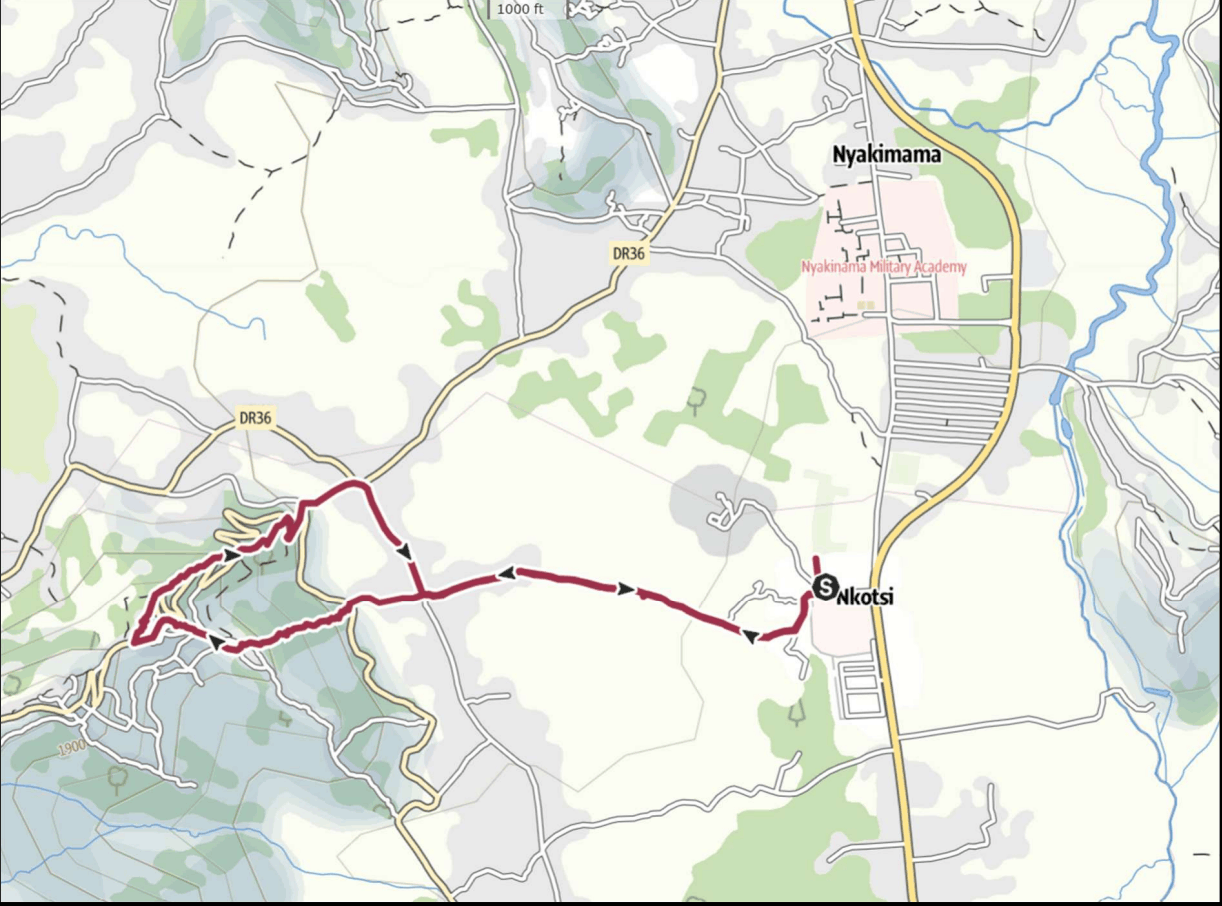
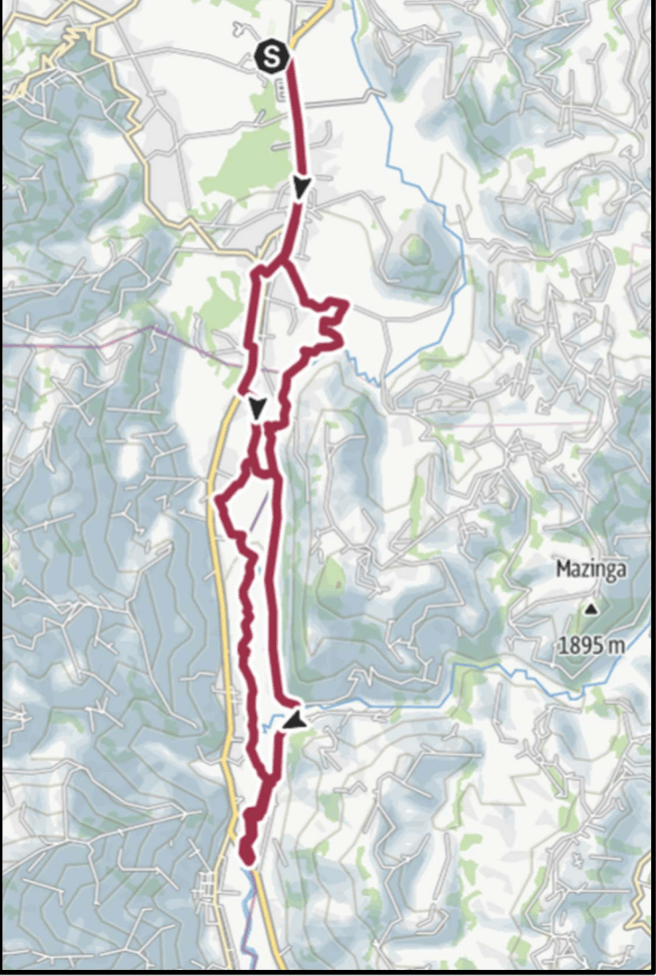
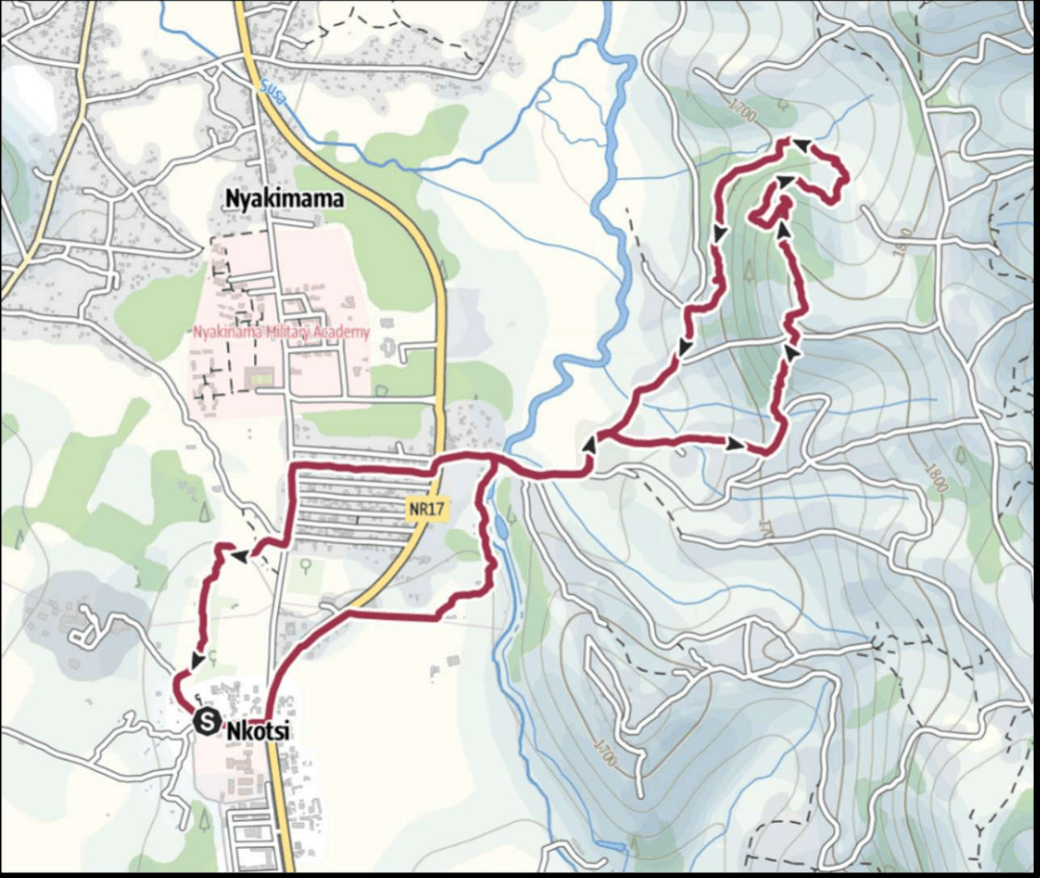
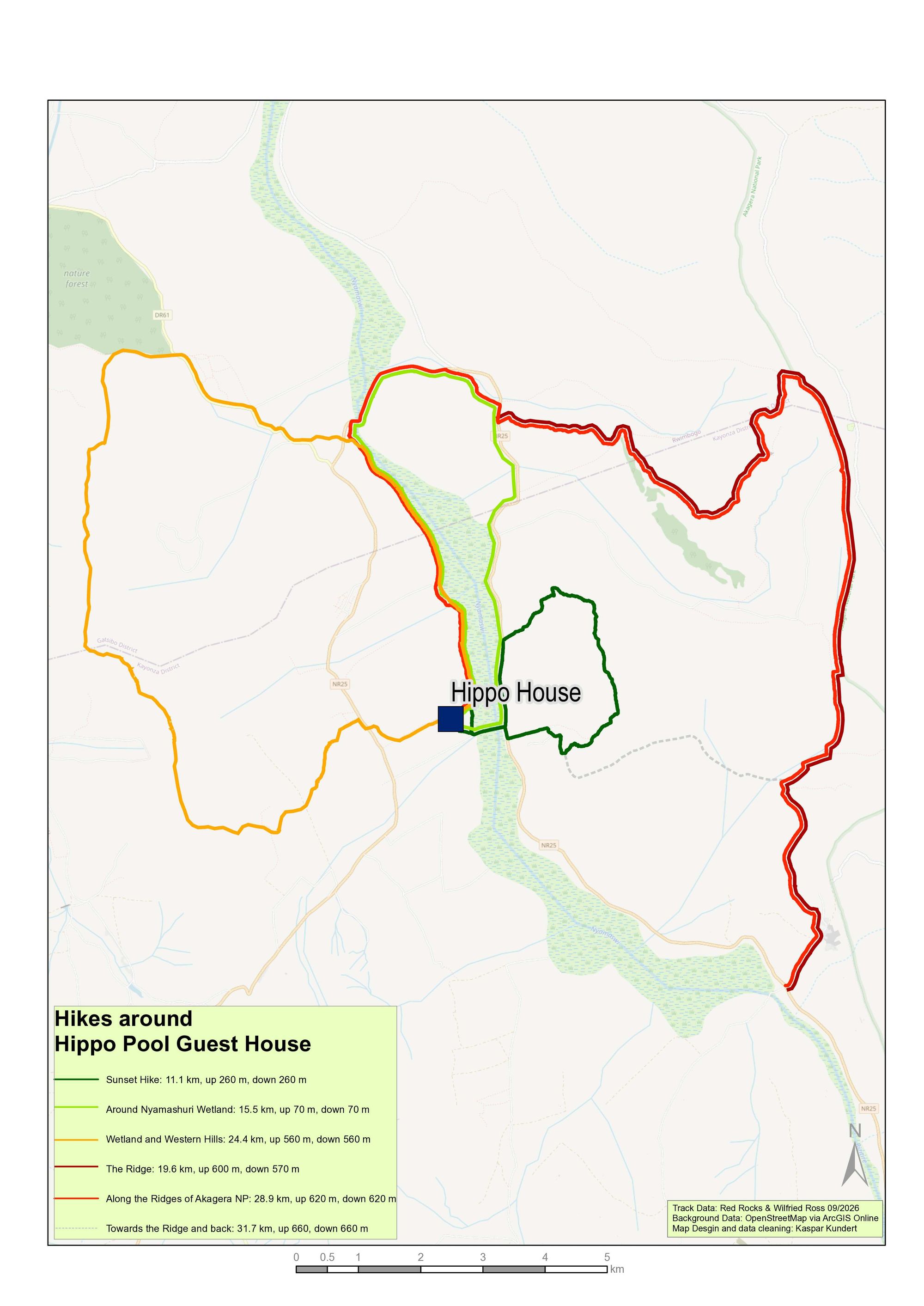
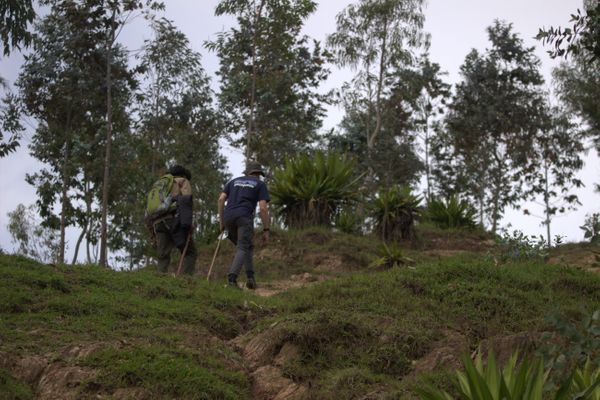
How much time do you have? Hike them all!
Red Rocks Events - Annual Calendar
Celebrating Culture, Community & Conservation
Red Rocks Initiative brings culture, community and conservation together through a year-round programme of weekly activities and signature events.
Recurring Weekly Programs
Every Friday night, Red Rocks Friday Night fills the evening with music, stories and cultural exchange. On Saturdays and Sundays, Twataramye gives young people a stage for dance and performances, talent shows and cultural dialogue. From Monday to Friday, Workshops and Training offer community training sessions that build skills throughout the week.
Red Rocks Cultural Festival
Happening every last Friday of August through the first weekend September, this vibrant end-ofsummer celebration runs from the last week of August into early September. It features traditional dance, live music, a cultural food fair, handicraft exhibitions and conservation storytelling. Bonfire networking nights, traditional sports competitions and youth talent showcases complete the programme, which is open to all.
Community Based Tourism Fair
Scheduled every last weekend of May, the second annual Community Based Tourism Fair returns with community tourism exhibitions, an artisan marketplace and B2B networking sessions. Cultural performances, sustainable tourism panels, conservation storytelling and hospitality training deepen the fair’s impact and expand the community tourism ecosystem across Rwanda
Building community-owned tourism that delivers lasting rural benefits.
RSSID's Community-Based Tourism Model
The Red Rocks Initiative for Sustainable Development (RRISD) is developing a community-based tourism model that helps rural communities turn their natural and cultural heritage into sustainable development opportunities. It improves livelihoods, creates economic opportunities, reduces poverty and regional inequalities, and enhances local well-being, while protecting the environment, cultural traditions and heritage that make each community unique.
Our vision is for tourism to be a catalyst for rural transformation, where communities are active participants, owners and beneficiaries, not just destinations. We are building a network of communities, tourism businesses, development organizations, government institutions, investors and other partners. Through collaboration, knowledge-sharing and innovation, we develop practical solutions that strengthen local economies, promote community ownership, conserve heritage and build resilience.
The 5-5 Campaign is our commitment to impact 5,000 people in five years. By expanding this network, sharing lessons and adapting proven practices to local contexts, we will replicate the model in new rural communities across Rwanda and beyond. Every new partner strengthens the network and ensures tourism revenue brings real, lasting local benefits at scale.
An Integrated Ecosystem
Travelers increasingly seek authentic, community-rooted and socially responsible experiences. Through the partnership of Amahoro Tours Rwanda, Red Rocks Rwanda Intercultural Center (a Community Benefit Company) and RRISD (a non-profit), we show how community-based cultural tourism can be designed, marketed and sustained through shared purpose and clearly defined roles.
Red Rocks Basecamp, a Community Benefit Company in the Virunga mountain region, is the partnership’s physical and cultural hub. Through traditional music and dance, culinary heritage, storytelling, artisan workshops, festivals and intergenerational exchange, communities present their heritage on their own terms. Youth, women, artists, farmers and elders serve as hosts and cultural practitioners, ensuring ownership, dignity and fair participation.
Tourism revenue from accommodation, activities and events is linked to livelihoods, skills development and cultural preservation, making tourism a tool for long-term resilience.
Eager for Your Next Impactful Journey?
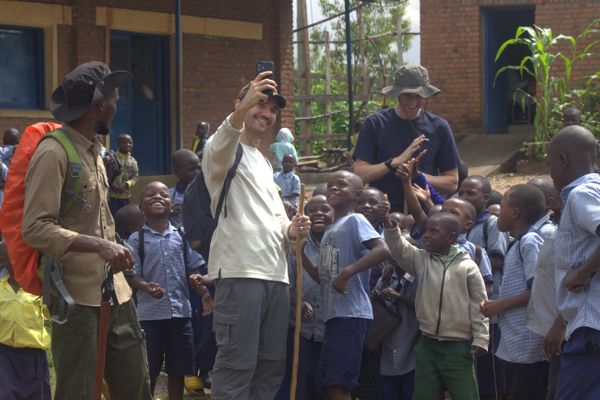
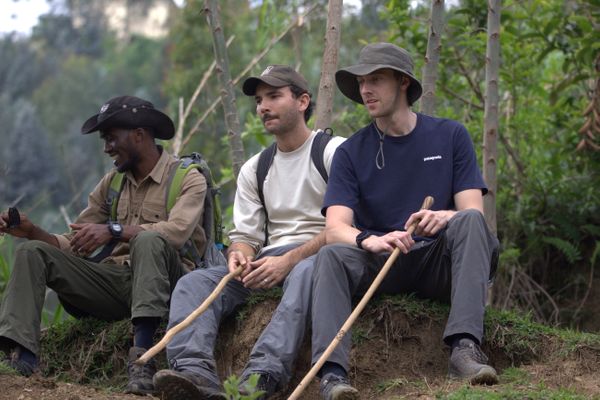
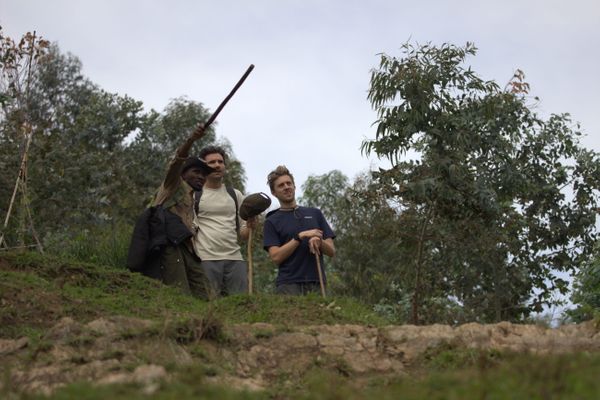
Discover authentic cultural immersion and sustainable adventures with Red Rocks Rwanda. Request a quote today to create positive change and memorable experiences.